Nowy wibromłot OMS WD 28-43




Jeśli zdecydowałeś się na zakup pojazdu w niskiej cenie, upewnij się że konwersujesz z prawdziwym dealerem. Dowiedz się czegoś więcej o właścicielu pojazdu. Jeden ze sposobów oszustwa – podać się za realnie istniejącą firmę. Gdy podejrzewasz oszustwo, zgłaszaj je w formularzu kontaktowym dla przeprowadzenia dodatkowej kontroli.
Zanim dokonasz zakupu, uważnie zapoznaj się z kilkoma ofertami sprzedaży, aby poznać średnią wartość wybranego modelu. Jeśli cena wybranej przez Ciebie oferty jest znacznie niższa od analogicznych ogłoszeń, warto się zastanowić. Znacząca różnica w cenie może świadczyć o ukrytych defektach lub o próbie oszustwa przez sprzedającego.
Nie kupuj pojazdu, którego cena znacznie różni się od średniej ceny za analogiczny sprzęt.
Nie zgadzaj się na płacenie zadatku za towar. W razie wątpliwości nie bój się pytać o szczegóły dotyczące ogłoszenia, poprosić o dodatkowe zdjęcia i dokumenty pojazdu. Sprawdzaj ich poprawność i zadawaj dodatkowe pytania.
Najbardziej rozpowszechniony typ oszustwa. Nieuczciwi sprzedawcy mogą prosić o wpłatę zadatku dla "rezerwacji" twojego prawa na zakup pojazdu. W ten sposób oszuści gromadzą duże kwoty i znikają, przestają odbierać telefon.
- Transfer zadatku na kartę
- Nie wpłacaj zadatku bez dokumentów, które miały by potwierdzić przekazanie środków, jeśli podczas współpracy sprzedający wzbudza podejrzenia.
- Transfer na konto "zaufanej osoby"
- Podobna prośba powinna wzbudzić podejrzenia, prawdopodobnie konwersujesz z oszustem.
- Transfer na konto firmy o podobnej nazwie
- Bądź czujny, oszuści mogą maskować się pod znane firmy, wprowadzając nieznaczne zmiany do nazwy. Nie przesyłaj środków jeśli nazwa firmy wzbudza podejrzenia.
- Podstawienie własnych danych do przelewu w fakturze realnej firmy
- Zanim zrealizujesz płatność, upewnij się o prawdziwości podanych danych do przelewu i czy na pewno należą do tej firmy.
Kontakt do sprzedającego


 +90 538 647...
+90 538 647 79 67
+90 538 647...
+90 538 647 79 67


 Turcja, ANKARA/SİNCAN


 Turcja, ANKARA/SİNCAN




 Turcja, ANKARA/SİNCAN


 Turcja, ANKARA/SİNCAN


 Turcja, ANKARA/SİNCAN
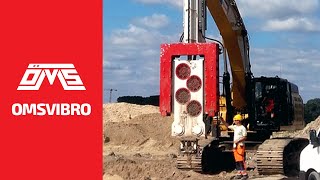
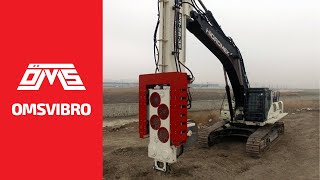
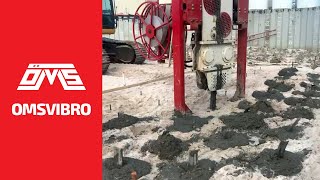
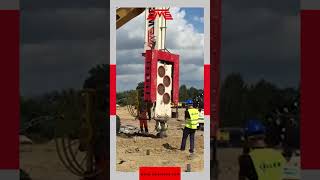
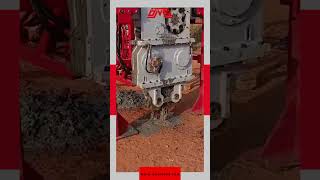
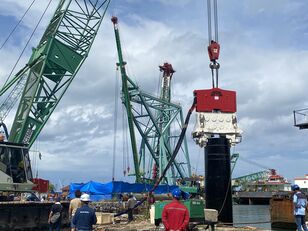
Prefabricated Vertical Drain (PVD) Installation Equipment
- STRONG GEAR DRIVER UNIT installs the PVD material into the soil.
- VIBRO HAMMER reduces the resistance of the ground with vibration.
The OMS Wick Drain Installation Machine is a soil improvement machine that is used for the quick consolidation of cohesive soils. The machine is consisting of; hydromotors, sprocket gears, a mandrel and a high frequency vibro hammer. It is very useful equipment to drain the water in the cohesive soils, thus, the liquefaction risk is minimal and settlement time is faster than standard procedures.
The difficulties experienced by engineers in the design of structures built on loose and liquid soils have necessitated various improvement methods throughout history. Unpredictable long-term ground settlements cause unnecessary labor and additional costs, as well as a waste of time.
Simple and ordinary ground consolidation works can take quite a long time. This waste of time can be overcome by creating artificial vertical drainage paths through which water flow can be achieved.
The driving and extracting force of the Wick Drain machine is 276 kN, and the combined force (wick drain + vibro hammer) is 711 kN. Related to the enormous static and dynamic force, the machine is stronger and drives deeper. Depending on the soil condition, the machine is faster due to the operation of the mandrel and its speed up to 100 m/min.
Wick drain can be applied in all areas requiring ground consolidation, including the following areas;
- Highway walls, embankments, impoundment,
- Bridge roads, routes and crossings,
- Dams,
- Railroads,
- Airports and harbors, ports,
- Storage tanks,
- Mining waste ponds.
- Wick drains in rolls are installed in the drain drum located on the machine.
- Sand, gravel, or suitable materials are also called drain blankets shortly, are laid on the ground to be placed in the wick drain.
- The system is rigged to a vertical position with the help of an excavator. The product is ready for operation.
- The specially designed button type mandrel is driven to the desired depth by the OMS Wick Drain Installation Machine.
- After installing the mandrel, PVD material leaves into the ground.
- This operation is repeated at each predetermined drainage. In different areas of application, the depth at which the operation should be performed may vary.
- After the installation of all the drains is completed, the ground should be loaded with earth material required by the project.
- The groundwater rises to the surface through the drains.